Complaints Procedure for Commercial Waste St Albans
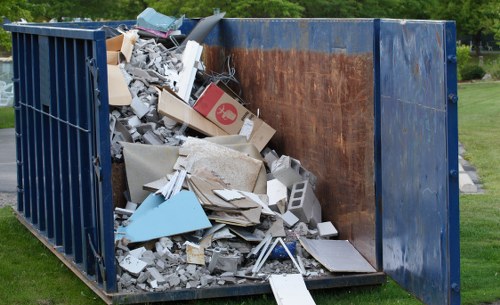 This Complaints Procedure sets out how businesses can raise concerns about commercial waste services in and around St Albans. It is intended to be fair, clear and proportionate for any commercial rubbish service user, whether the matter concerns a missed collection, bin damage, contamination disputes or service standards. The aim is to resolve issues promptly while preserving a clear record of actions taken and decisions made. This page explains the steps we take, what you can expect and the timelines we follow.
Scope: the procedure applies to all contracted business waste collections, commercial recycling services and industrial refuse arrangements operating within the service area. It covers complaints about operational performance, customer care, billing queries related to waste collection, and contractor conduct. While this document references the St Albans area to clarify the service zone, it remains a general complaints policy for commercial waste rather than a legally binding contract.
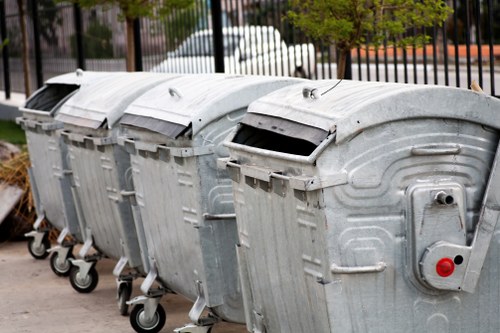 Principles: a complaint will be handled with impartiality, confidentiality and a commitment to learning from mistakes. We will acknowledge a complaint quickly, investigate thoroughly and provide a clear outcome. The process is not intended for routine instructions or service requests (for example, setting up new collections) — those are handled separately — but it does cover failures to deliver the agreed service standard.
How to raise a complaint: complaints should be submitted in writing with enough information to identify the account, the nature of the problem, dates and any evidence such as photographs. On receipt we will log the complaint and allocate a reference number. Typical information needed includes the business name, waste type affected and the collection timetable involved. We do not require sensitive personal information to investigate commercial waste problems.
 Initial response and investigation: within five working days we will acknowledge receipt and state the name of the person handling the case. An investigation will be carried out proportionate to the issue raised. This may include site visits, reviewing CCTV if available, speaking with collection crews or checking contractual documentation. Investigations aim to be completed within 20 working days; where complex third-party enquiries are needed we will inform the complainant and agree a revised timescale.
Resolution options: depending on the findings, outcomes may include an apology, remedial action such as an additional collection, replacement bins, or a service adjustment. Where a billing error is found, corrections will be applied to the account. If a contractor is found to have breached service standards, disciplinary or contractual remedies will be considered. We will record proposed remedies and timescales and seek agreement from the business making the complaint.
Escalation: if you are dissatisfied with the initial outcome you may request an internal review. The request should be made within 20 working days of receiving the decision and should state why the outcome is unsatisfactory. The internal review is conducted by a senior manager who was not involved in the original investigation. They will re-examine the case and issue a final decision, normally within 15 working days of the escalation request.
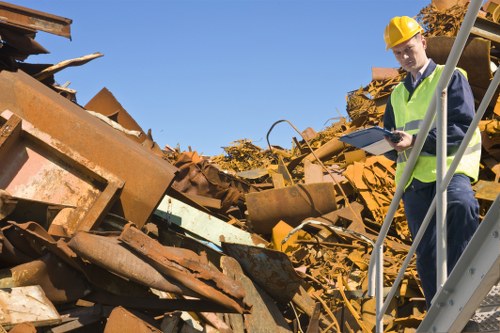 Record keeping and transparency: all complaints and their outcomes are recorded to support continuous improvement. Records include the complaint details, investigation notes, evidence gathered, actions taken and the final decision. Summaries of complaints, anonymised to protect commercial confidentiality, may be used internally to improve training, routes, collection frequencies and contamination guidance. We are committed to learning from patterns that arise across the commercial waste and rubbish collection services.
Roles and responsibilities: business customers should provide clear information and cooperate with reasonable requests for evidence. Service providers and contractors must respond promptly to investigations, supply records and implement agreed remedies. The organisation managing collections retains responsibility for ensuring that complaints about commercial refuse are properly handled and resolved in line with this policy.
Appeal and external review: where the internal review does not resolve the matter, an appeal can be directed to an independent arbitration or trade ombudsman where applicable. Eligibility depends on the contract terms and the nature of the dispute. This procedure does not restrict the right to pursue legal remedies if appropriate, but it does encourage exhaustion of internal review stages first so issues can be settled efficiently and without unnecessary escalation.
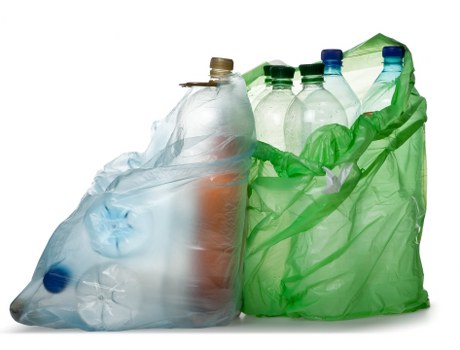 Monitoring performance: we publish service standards and use complaint trends as key performance indicators. Regular audits of commercial waste performance and targeted service improvements help reduce repeat issues. Complaints are treated as a valuable source of information to refine routes, adjust bin provision, clarify recycling guidance and enhance crew training.
Review of this policy: this complaints procedure is reviewed periodically to reflect operational changes in commercial waste collection and to incorporate best practice. For businesses using commercial rubbish and waste services in St Albans and nearby areas, this provides a reliable method for raising concerns and obtaining a clear, written response. Our commitment is to act transparently, resolve disputes fairly and continuously improve service delivery for all commercial customers.
