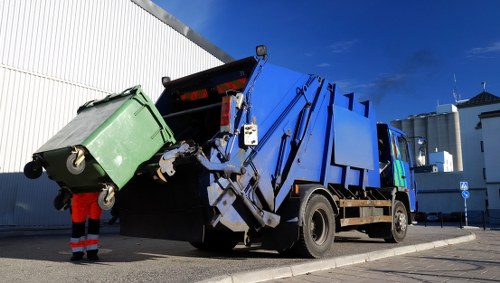
Commercial Waste St Albans: Recycling and Sustainability
The eco-friendly waste disposal area for businesses across St Albans is designed to make responsible waste handling straightforward and scalable. Our focus on commercial waste St Albans encompasses everything from careful on-site separation to partnerships that reuse and repurpose materials. Whether you manage retail, hospitality, or light industrial operations, the approach to a sustainable rubbish area is practical, measured and aligned with local borough policies.
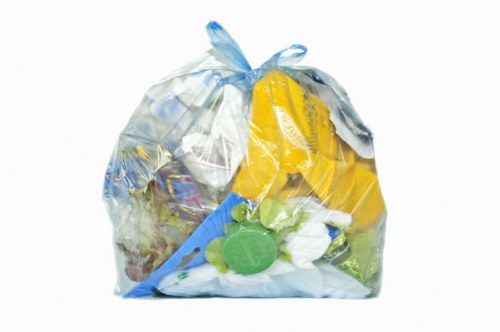 Every element of this service is built to support the borough's approach to waste separation: clear streams for dry mixed recycling, glass, food waste and residual refuse, plus targeted collection for bulky items and mixed commercial cardboard. The planning for a true eco-conscious commercial rubbish area means reducing landfill dependency, improving recycling rates and creating circular pathways for reusable items.
Recycling percentage target and performance
The programme sets a clear recycling percentage target of 70% diversion from landfill by 2030 for commercial waste streams in the St Albans area. This target reflects an ambition to exceed baseline borough performance and push local businesses toward measurable improvement. Targets are tracked by tonnage across waste types and reported in annual sustainability summaries, allowing commercial recycling St Albans partners to measure gains and focus resources where they matter most.

Local transfer stations and logistics
The logistics backbone for an effective eco-friendly waste disposal area includes strategically placed local transfer stations. Collections are consolidated and delivered to nearby county transfer facilities in locations serving the district, reducing haul distances and allowing for efficient sorting at designated hubs. These transfer stations are critical nodes that feed material to specialist recycling plants: glass recyclers, organic anaerobic digestion centres, and facilities processing dry mixed recyclates. By routing through transfer stations, business waste St Albans becomes part of a low-impact logistics chain that lowers emissions and improves material recovery.Low-carbon vans and transport innovation
We deploy a growing fleet of low-carbon vans and purpose-built vehicles for commercial collections. The fleet includes electric vans for short urban routes, hybrid vehicles for mixed-distance runs and biofuel-capable trucks for heavier loads. Low-carbon vans are equipped with telematics and route-optimisation software to reduce mileage, idle times and emissions. Combining smart routing with smaller, more frequent electric collections helps maintain a cleaner urban environment and supports the sustainable rubbish area ethos across the borough.
Partnerships with charities and reuse networks
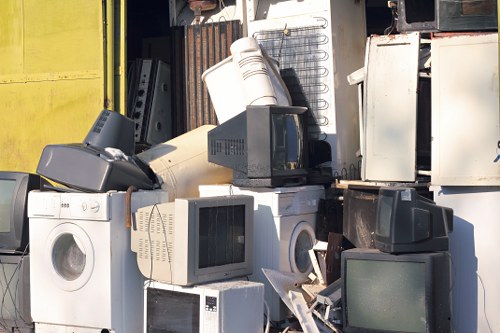
Working with local charities and social enterprises is central to maximising reuse and minimising waste. Partnerships exist with community groups and regional reuse centres so items from commercial clear-outs, unsold retail stock, and gently used furniture can be redirected before recycling or disposal. Key initiatives include:- Donation pathways to local charities (including food redistribution networks and community reuse schemes)
- Refurbishment channels for electronics and furniture through social enterprises
- Clothing and textiles collection drives coordinated with local reuse partners
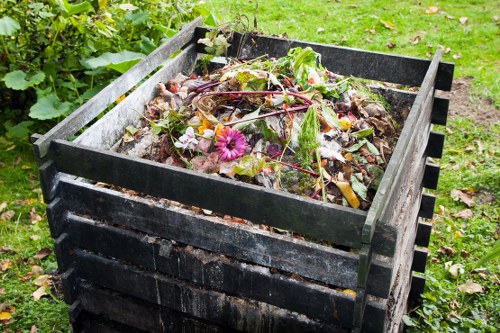
Maintaining a sustainable approach at site level often begins with straightforward measures: clear labelled bins, frequent staff training and on-site audits to reduce contamination. For businesses using commercial recycling St Albans services, practical steps include segregating organic waste into sealed food bins, flattening and bundling cardboard, and ensuring glass and cans are kept separate from general waste. These small adjustments materially improve output quality at transfer stations and recyclers.
 To further support businesses, we offer a suite of reporting tools and KPI dashboards that show weekly and monthly performance against the recycling percentage target. These reports help property managers and facilities teams spot recurring contamination, identify opportunities for additional streams (for example, mixed plastics or wood recycling), and celebrate progress. Incentive mechanisms — such as reduced collection frequency for well-segregated streams — reward organisations that make sustained improvements.
 Commercial rubbish area design is also considered: covered, ventilated storage reduces pests and weathering of recyclables; separate containers for paper, cardboard, and metal cut cross-contamination; and secure areas for hazardous or specialised waste are all part of a compliant system. Collaboration with local planners ensures commercial waste storage conforms with borough regulations and integrates smoothly into the public realm.
Education and continuous improvement underpin a resilient eco-friendly waste disposal area. Staff briefings, quick-reference bin signage and seasonal audits ensure that the borough's approach to waste separation is followed consistently. This helps businesses in St Albans not only meet compliance requirements but also reduce costs by keeping recyclable materials out of general waste streams where disposal fees are highest.
Finally, the sustainability framework for commercial waste St Albans encourages circular economy thinking: procurement choices that favour recyclable or reused materials, supplier agreements that include take-back clauses, and shared community initiatives that turn local waste into resources. By combining low-carbon transport, targeted transfer station usage, charity partnerships and clear recycling goals, businesses can play a significant role in creating a greener, more efficient commercial waste ecosystem for St Albans.
Commitment summary: an actionable plan to reach 70% recycling by 2030, streamlined transfer station logistics, cooperative charity reuse programs, and a growing fleet of low-emission vehicles — all designed to make sustainable commercial waste management the default in St Albans.
